3.3 Local level action by communities and local governments can save larger areas of Asia’s dwindling forests more quickly (from hypothesis to reality)
I had the chance to interact with many traditional upland farmers across different Asian cultures. I observed that they maintained a strong relationship with the land, rivers and forests. Through the years, I have thus learned to believe that we do not need large, costly, corruption prone, reforestation projects. Most reforestation efforts in Asia have not been sustainable. A clear alternative is to incentivize and capacitate forest dependent communities, together with their local governments. Ensure that both entities will sustainably benefit from their local forests, this can be a major way to save our forests more quickly and more sustainably and on a larger scale.
Ideas that inspired us
The virtue of community forestry (CF) is not really new, but the upscaling of the virtue of CF is the challenge.
I had the chance to know about one thousand plus (1000) communities who worked with their respective local authorities/governments to protect their local forests and forest-based livelihoods.
Traditional upland farmers tend to be also natural foresters!
It is probably better to invest more in larger scale forest protection by communities than spend so much on state sponsored pockets of conventional reforestation.
Conventional reforestation methods can now exit. There are more cost effective and sustainable ways to reforest, such as Assisted Natural Regeneration (ANR).
Remarkable Communities (examples)
Forest dependent communities and Local governments in Kampong Thom, Cambodia, NFW, Pakistan, Candy and Nilgala Sri Langka, forest communities in Vietnam.
Catalytic projects that helped model the way
EU – UNDP Small Grants Program for Tropical Forests EU UNDP SGP PTF
Non timber Forest Products Exchange program (NTFP- EP)
RECOFTC and OXFM GB Community Forestry Projects in Cambodia
SDC – ASEAN Social Forestry Network (ASFN)
Key Features
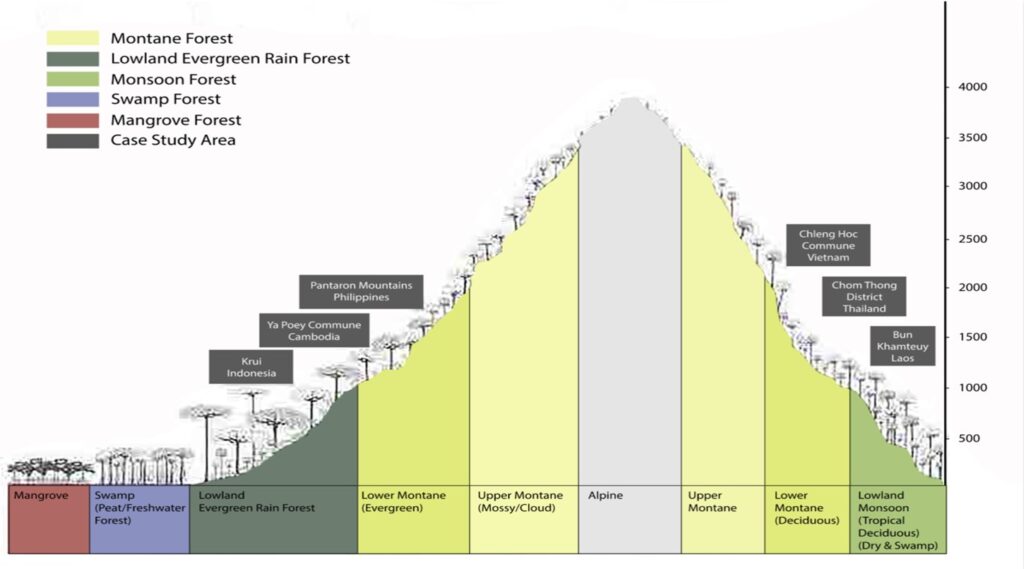
The above transect is a simplified profile of various forest types in Southeast Asia. We had the chance to interact with farmer – foresters in some of the forest types. The left field of the diagram are ever wet or per humid (from mountain top to the left field of diagram) The right field are seasonally dry. The communities cited are representative study sites Source; WG-CIFM (n.d.). Communities and Forest Management in SEA. A Regional Profile. The Working Group on Community Involvement in Forest Management.
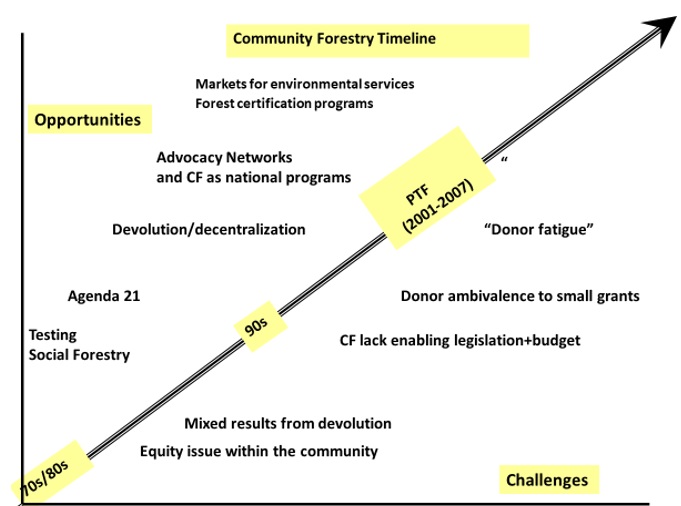
The earlier decades- big picture (until 2010) This is how I partially understood then the evolution of community forestry in the Philippines in my earlier years of profession/vocation on this subject matter.
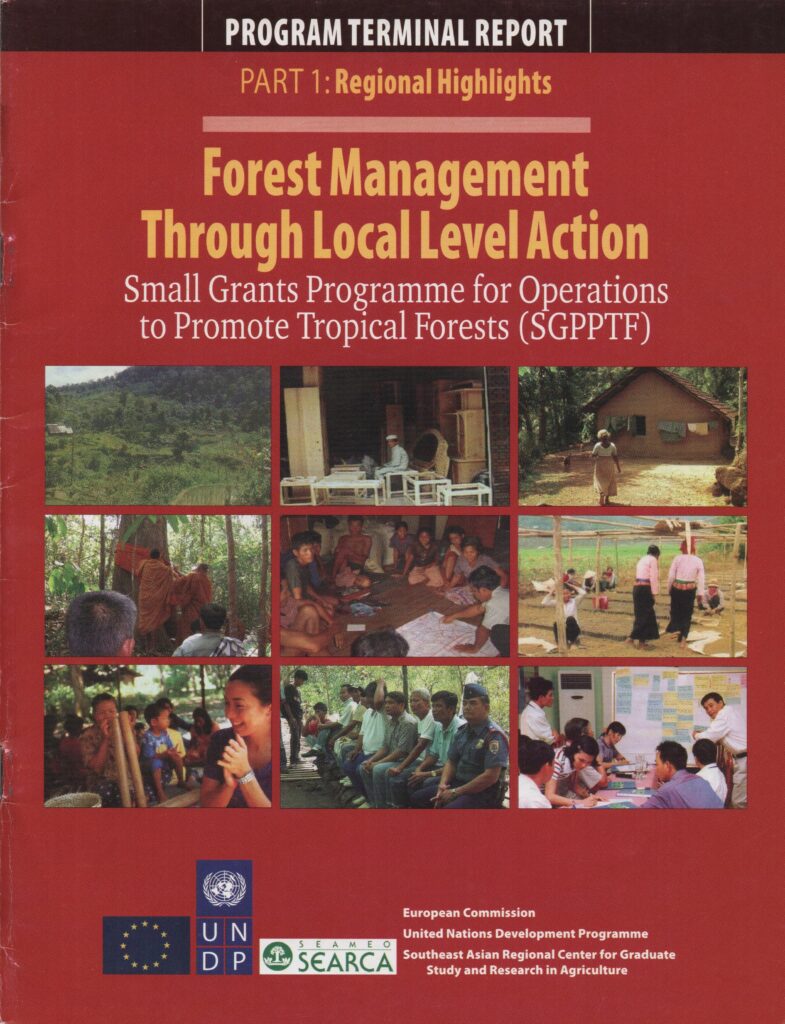
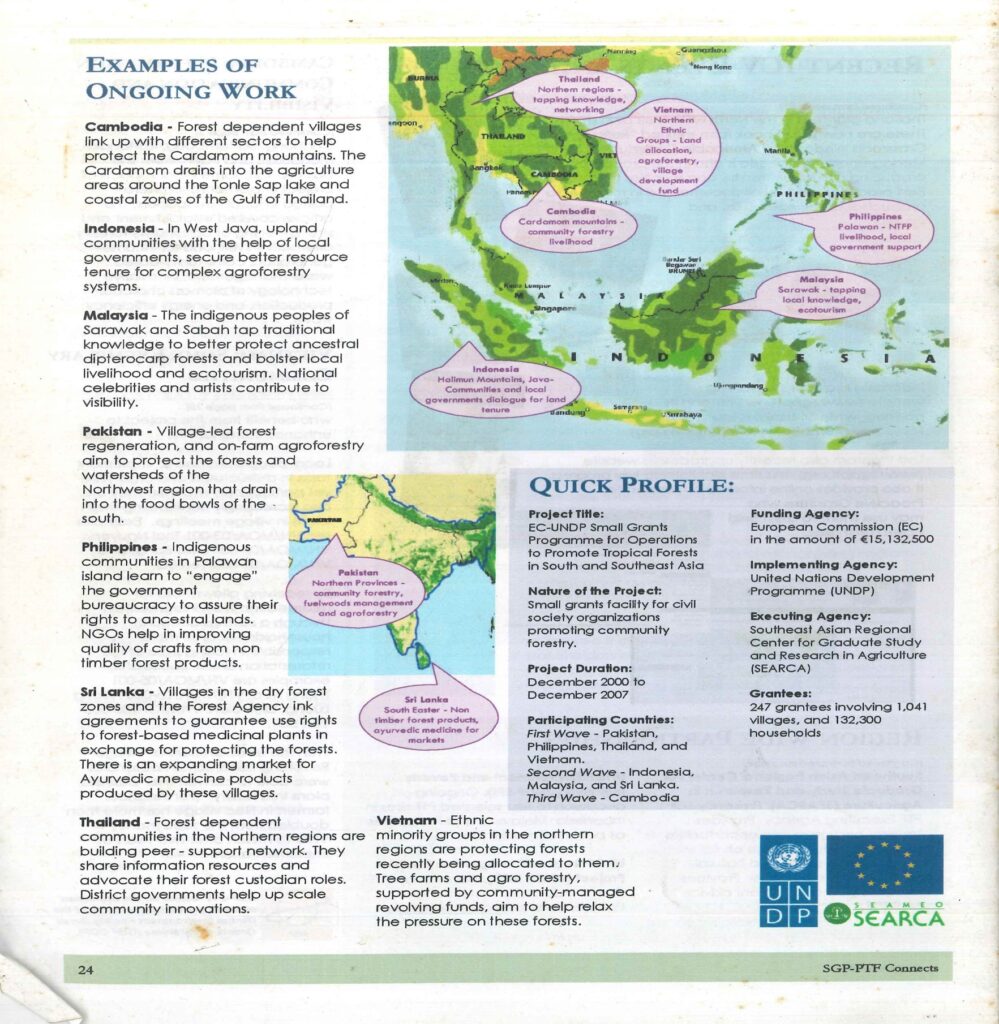
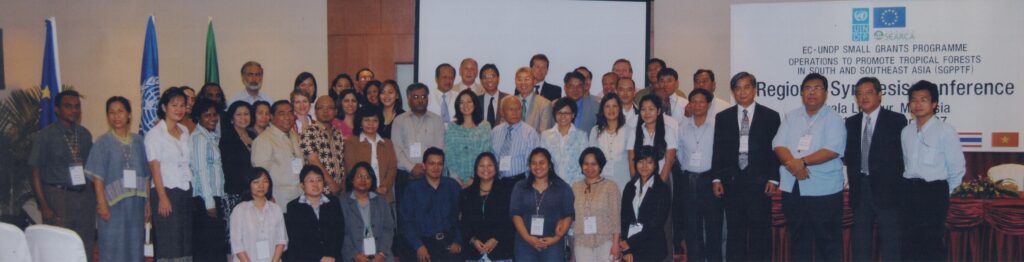
I was involved in co-leading a Small Grants Program* for Southeast Asia and South Asia to promote community based tropical forest protection in the 1st decade of the 21s century. The program evolved from a purely CSO led initiative to one that nurtured strong partnerships with Local Governments. Together they would be able to cover more forests under sustainable protection and management (*EU UNDP GEF)
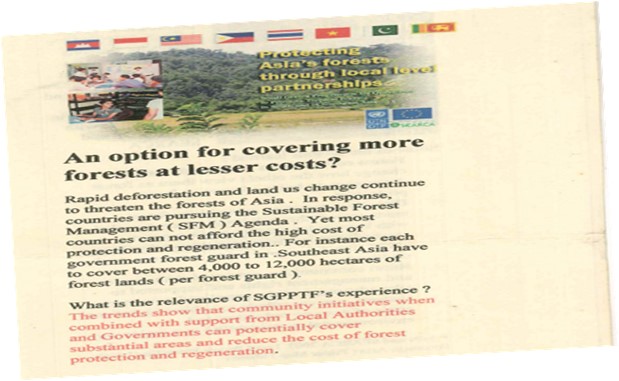
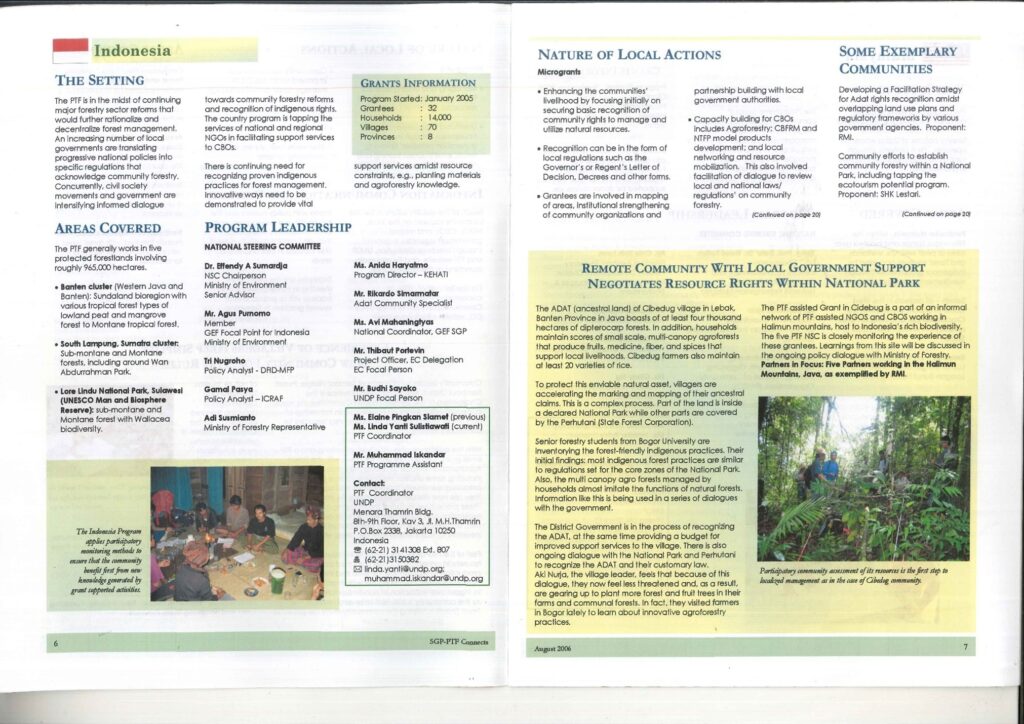
The article above (Indonesia) is part of a directory for the nine-country initiative. The directory cites the leadership and profile of small NGO projects in the country under the. Each country program had a steering committee composed of civil society (majority) and government.
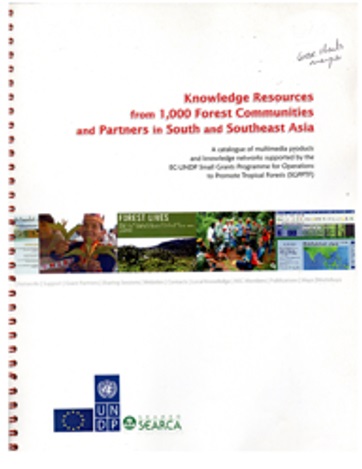
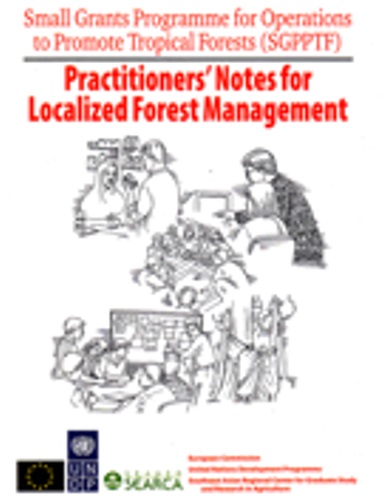
The above publications supported by the EU UNDP GEF project, assembled the knowledge gained from work with 1000 forest dependent communities in South and South East Asia
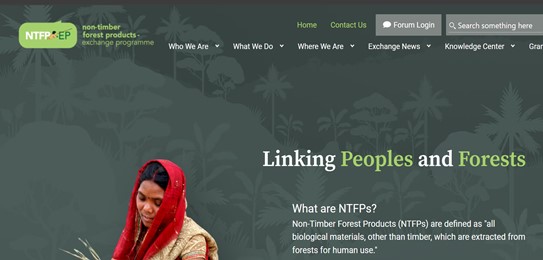
Non timber forest products (NTFPs). I had the chance to also participate in early efforts to recognize the importance of NTFP to community forestry. Above is the website of NTFP – EP the largest regional CSO working on NTFPs. A trend for community forestry today is not to touch the trees in favor of carbon trading (“money from standing trees” * under REDD etc.). Unfortunately, the enabling policy for REDD tends to move slowly. In this circumstance, NTFPs assume an increasingly, important role as direct and immediate source of livelihoods from “no touch “community forests. (*CIFOR)
Community and Local Government partnership (together with other sectors in the locality) is easier said than done. It is complex process of negotiation between competing interests and priorities in forest land use. Fortunately planning and negotiation tools have been developed for this situation. A good tool is Forest Land Use Planning or FLUP (developed by the USAID DENR ECOGOV Project). More recently, we helped in a rapid assessment of FLUP application and impact in Mindanao from the LGU perspective. The results are mixed. While FLUPS expanded LGU knowledge and set directions for unified action, the enabling locally sensitive mechanisms for implementation are lacking, signaling the need for more purposive, capacity building. Insufficient mechanisms for community participation especially among IPs are a challenge.
Community forestry (CF) is actually an OLD CONCEPT among southeast Asian COMMUNITIES. At the same time, CF is a comparatively NEW CONCEPT in STATE FOREST POLICIES …. Forest dependent communities used to protect their local forests because of strongly perceived direct ownership and direct benefits. Current state forest policies, shaped by western paradigms and market forces, favored centralized forest protection.
In the last decade, I did notice two development trends in forest governance. I had the humble opportunity to be an active participant/monitor of these two trends. The first trend is about the narrative emerging from special projects, civil society organization (CSO), UN and donor agencies. This narrative is about the virtues of community forestry and local governance. The second (slower) trend is about the actual “baby steps” taken to reform the state forestry policy among ASEAN countries that gradually embrace social forestry.
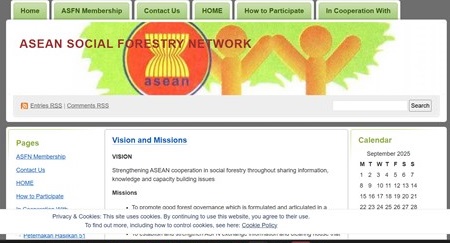
The ASEAN Social Forestry Network (ASFN) promoted knowledge exchange between ASEAN governments that pioneered on Social Forestry policy (e.g., Philippines, Indonesia) and peer countries with more conservative policies. ASFN is facilitating the incremental adoption of the concept of CF throughout the ASEAN through this exchange. It’s a slow process but it is moving in the right direction.
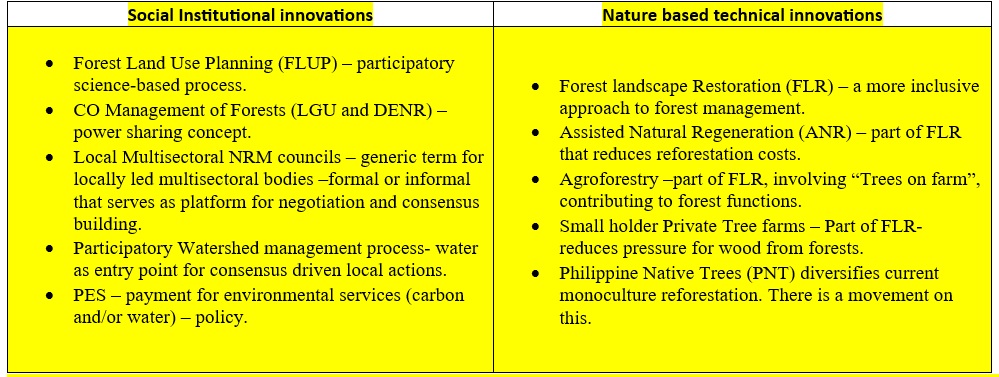
Powerful Social and Technical Innovations that can fortify local action Some recent concepts/tools can help enable and incentivize localized approach to forest care through combined community and Local government action. They have been proven on pilot scale but the upscaling is slow. We need to understand why, improve as needed and enable roll out
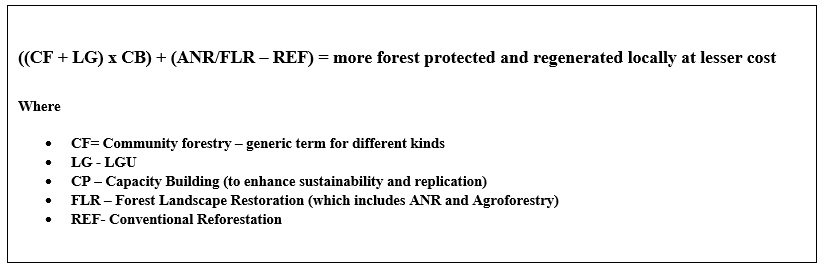
Way forward – what could be the formula?
Based on the lessons I learned from working with farmers, forest keepers, lowlanders, local government and national government, I humbly suggest the following formula:
The formula above refers to
Decentralized forest governance though partnership between forest communities (CF) and Local government (LG) as well as other key stakeholders (CF+ LG). To work effectively, they are provided with intentional capacity building (x CB)*
This local governance is guided by policy and standards that emphasize a more inclusive approach to forest protection and regeneration, represented by the concept of Forest Landscape restoration (FLR) and less of conventional ( and expensive ) reforestation approach (REF)
Mentors and Co-travelers
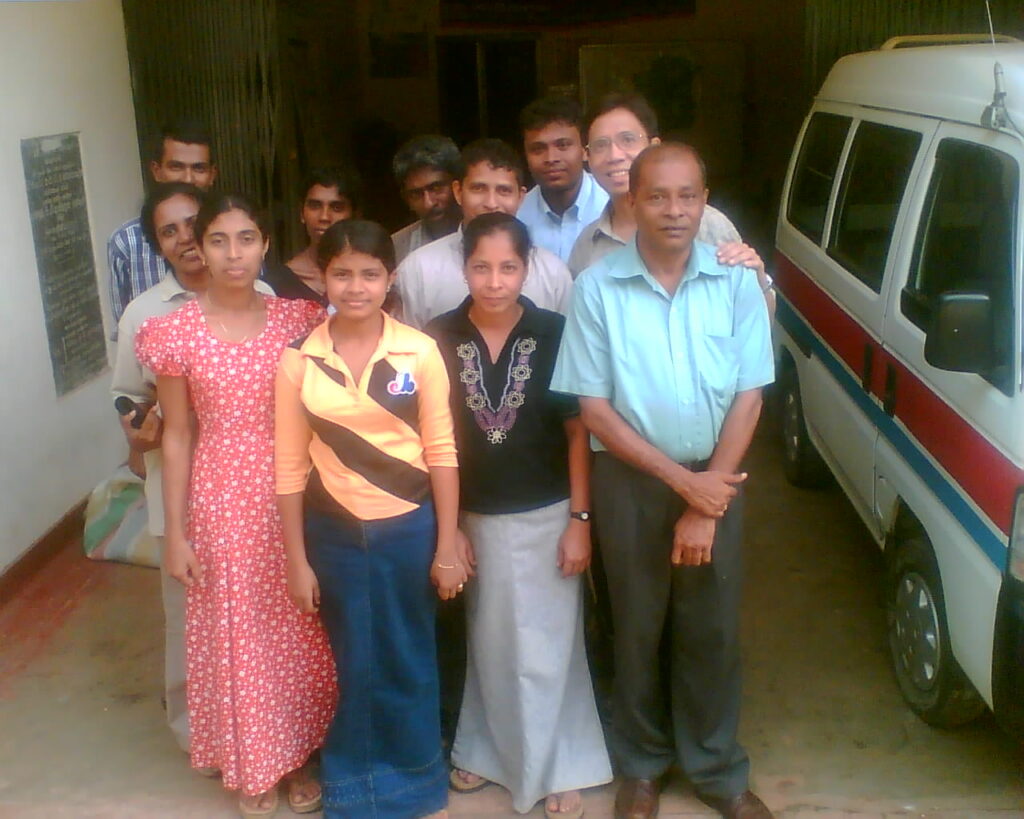
Sri lanka Parnters in Nilgala
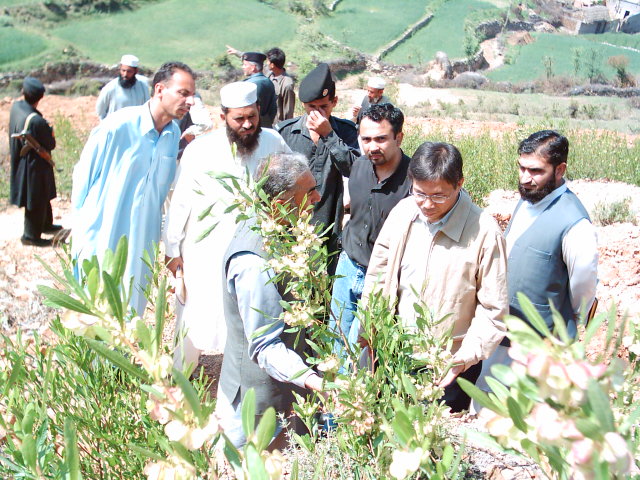
Northwest Frontier Pakistan CSO partners
How our partners in Sulawesi Indonesia worked on the CF concept
Pat Dugan, Pat Durst, Glen de Castro, Nimal KarunPat Dugan, Pat Durst, Ernie Guiang, Rudy Aragon, Alix Yao, Glen, Nimal K, Thanuja, Charlie, Linda Yanti, Nguyen Hai, Nam, Oun, Sovanny Chumm, Saleem, Nimal, Thanuja, Zaina, Surerat, Julian Gonsalvez, Anges, Mats Leny, Dwane Jo, Mark, Fr. Pedro, Weng Soriga, Sylvia, Andres, Baby Supetran, Gil Saguiguit, Enrie Guiang, Ben Malayang, Shalleh, Antonio, Delfin Ganapin, Jem, Sagita Ardihani, Femy , Christy, Ruth, Ben and many more.
Some Personal Insights
My first lesson in community forestry (CF) came from upland farmers who I worked with. We talked about farming. But on the side, I also observed that they were also silently spending time protecting their neighborhood forests.
Subsequently, “maverick “forester/ecology – mentors and peers like Pat Dugan, Romy Raros, Percy Sajise, Ernie Guiang, Rudy Aragon and Alix Yao, revisiting the paradigms they learned in forestry school, helped set the atmosphere for my accelerated learning process on CF.
Not by Community alone, not by local government alone! There is greater impact if local authorities / local governments and communities (CSOS) work closely together to protect forest livelihoods.
Conservative state forest policies in ASEAN are gradually transforming, based on the signals from good practices on the ground. A slow process requiring much understanding and more creative advocacy work.
Forestry Schools need our attention to ensure that curricula produce graduates who can learn from the lessons of the older forestry governance paradigms.


Leave a reply