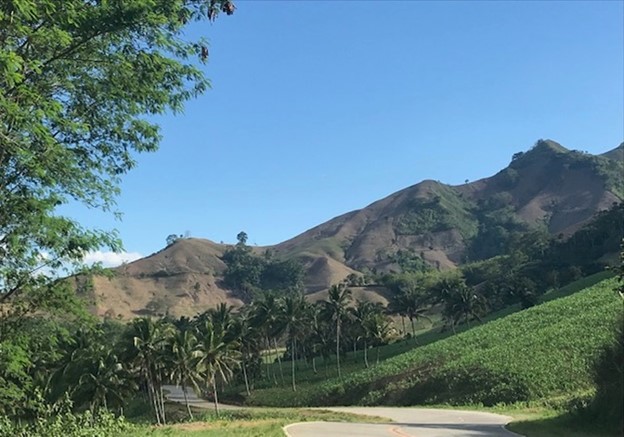
Forty years earlier… In 1978, parts of Cebu landscapes already looked like the above 2018 picture in Malaybalay (treeless hillside). At that time, large parts of Cebu’s hillsides were devoted to native white corn, grown with native beans for food. The above picture of a Malaybalay hillside (2018). Reflects current yellow corn monoculture production systems (for feeds).
At senior time, together with some concerned peer seniors, I was called upon once again to help address this socio – technical issue, which has evolved in complexity, since we first tackled the simpler version (of the issue) back in the 70s. Earlier (1978) we were most concerned about soil erosion and watershed protection. The concern at this time (2018 and beyond) is not only about soil erosion, but also of rapid loss of biodiversity and health. The modern system uses GMO seeds and enabled by herbicides, The purpose is to address labor costs, pest issues, increase farm income and provide cheaper protein sources for our people.
I was asked recently to help facilitate a “no holds barred” public dialogue about moving from business as usual (BAU) to Biodiversity Friendly Agriculture practices (BDFAP) particularly for upland agriculture. This involved helping broker a recent public conversation on this topic led by the DA and the DENR.
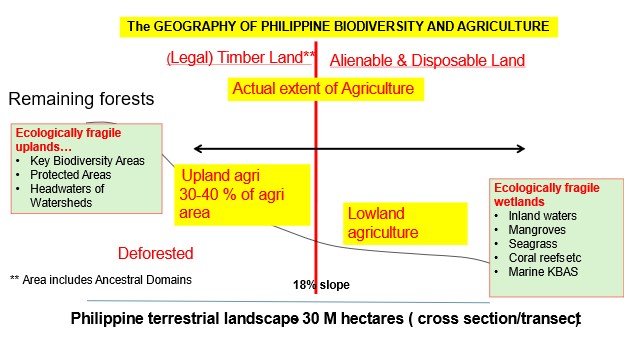
AGOFORESTRY (AF): THE BEST FORM OF BIODIVERSITY FRIENDLY AGRICULTURE(BDFAP) IN THE UPLANDS. HOWEVER….
- The contributing role of AF in soil erosion control, biodiversity maintenance and climate mitigation and adaptation are well known. Given high population densities, fragile uplands. Agroforestry is the best bet for BDFAP.
- Most of the remaining forest lands in the Philippines are part of ancestral lands. Traditional agroforestry systems such as that of the Ifugao rice terraces, is in a continuing decline due to lifestyle change, and the effect of earlier Agri and NRM policies.
- The earlier interest in “SALT” (Sloping Agricultural Land Technology) was affected by its high labor requirements. The multistory coconut-based intercropping exemplified in Silang Cavite has given way to massive agri land conversion. In Northern Mindanao many adopters of Natural Vegetative Strips of NVS (not labor intensive) are abandoning them so that pineapple and banana could be planted. Expansion of small-scale fruit tree crops production has been slow partly due to steep competition from imported substitutes.
- Many stands of Mahogany and Gmelina Tree Farms are not achieving their maximum merchantable potential because “thinning” was not actively promoted as an important silvicultural practice. The DENR is torn between its regulatory and” development “ role. Thus an effective extension service for tree farming was not well developed and made available. Tree farmers farmers (including those in private lands) are also burdened by cumbersome procedures for tree cutting permits.
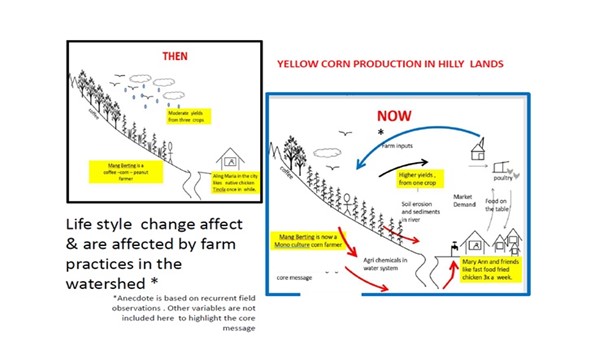
- Traditional upland corn farming is giving way to labor friendly GMO corn production using powerful herbicides that indirectly lead to soil erosion and affect water quality. Large swathes of corn belts in hillsides exist in upland landscapes such as in Sierra Madre, Panay and Northern Mindanao.
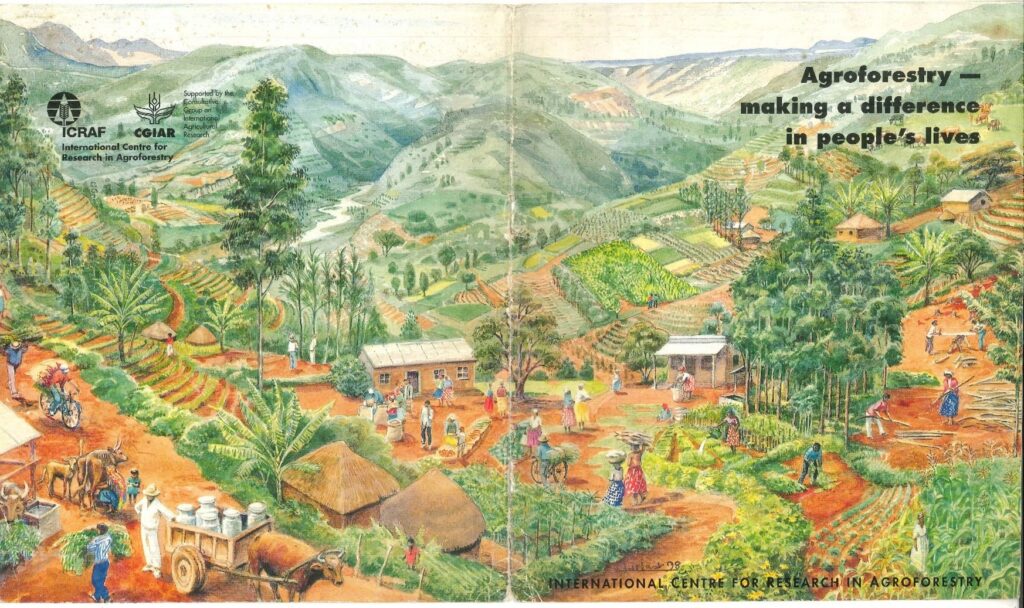
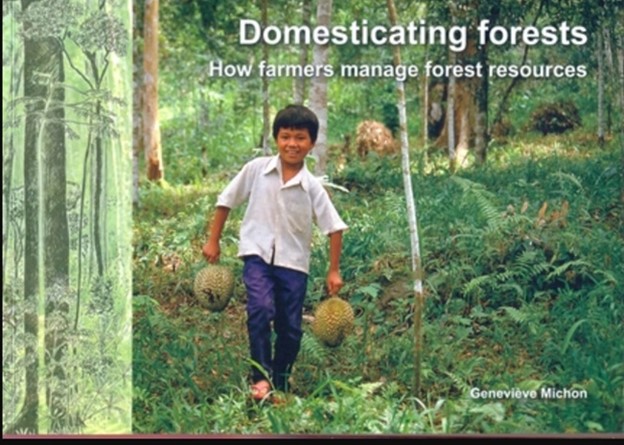
WHY THE PROMISE OF AGROFORESTRY REMAINS LARGELY UNFUFILLED… There is no shortage of interest for agroforestry in the Philippines. It is cited in important national and local programs. However, implementation level does not match the intensity of advocacies.
- Opportunity costs continue to dominate farmer decision making. In many places, the relatively high labor requirements, market uncertainties and inadequate extension and support services to AF, drive farmers to embrace more alternatives offered by the market.
- The widespread adoption of GMO yellow corn (for feeds) in steep hillsides of corn belt areas is made possible by easily available informal (though usurious) credit, state subsidies, private sector extension service, and assured markets. Yellow corn production using powerful herbicides is very convenient for farmers … In the process however, it wipes out most vegetation in the farm and landscape (remnant forests, forage areas, riparian forests) affecting the integrity of watersheds.
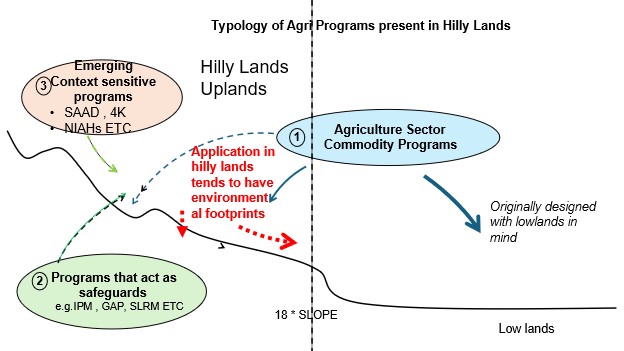
- Sectoral divides continue to dominate budgetary decision-making processes in spite of what is being called for in many integrated, interdisciplinary programs. The frontline extension support system for agriculture and CBFM (and with its AF systems) have been devolved to LGUs. Yet LGUs tend to promote lowland oriented agri programs in upland settings as the agri sector budget is there.
- Farmers in fragile uplands / forest lands who practice AF, actually bear part of the cost of forest land watershed protection. They actually deserve part of the payments for ecosystems services. The policy development on PES however is moving very slowly.
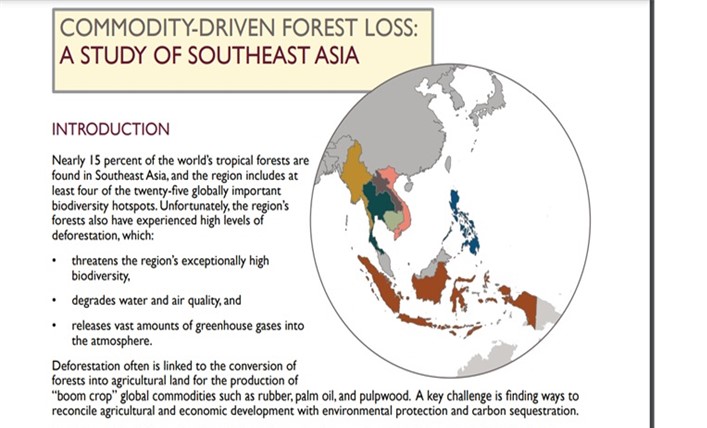
IMPLICATIONS. The combined growth of both population and agricultural expansion (particularly in fragile ecosystems) continues to be a key threat to forest and biodiversity degradation. AF can be counted as an economically viable, socio culturally sensitive modus vivendi to address this situation. The institutional barriers to make AF a widespread reality need to be overcome.
Given the above the lack of enabling environment to promote agroforestry particularly in fragile upland systems means that we are losing an opportunity. That is, the opportunity to apply a cost effective, nature – inspired solution to many of our ecological issues, while simultaneously helping address rural poverty and livelihoods.
MAKING IT HAPPEN IN THE UPLANDS, what can be done?
- National Policy- Finalize the national targets in the agri sector of the National Biodiversity Strategy Action Plan (PBSAP). Agroforestry will be promoted here. (we are helping on this.)
- Require LGUs to have Agricultural Land Use plans as part of sustainable LGU CLUPs This wouldguide the direction of devolved LGU agriculture programs according to the carrying capacity of their lands, while taking advantage of suitable markets. Initial guidelines have been prepared earlier for this (between the DA and the DHSUD) but these protocols have not been properly rolled out.
- Reaffirm the central role of agroforestry as a science-based, nature friendly approach suitable to fragile upland ecosystems.
- Project a 21st century image / narrative of Agroforestry (not just about “SALT” but about biodiversity + wellness + /culture etc. as well)
- Revisit sectoral / programs and rationalize related agri subsidies as they apply in the uplands that can ultimately enhance AF adoption.
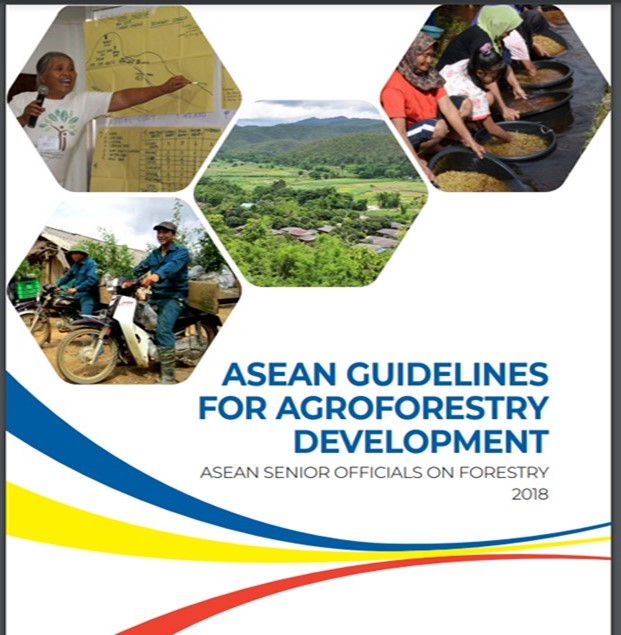
region as a means to help protect the remaining forests, restore degraded agricultural systems and
in some cases, conserve cultural heritage. Multi story systems will be important on farm adaptation
to climate change. Restoring agroforests will help protect key biodiversity areas (KBAs) and
Watersheds so important now for lowland irrigation to be maintained. We provided an overview
of the Philippine agroforestry scene for this manual.
Some Enabling Projects that I worked with to advance the above BDFAP scenario.
- IFAD – ICRAF Technical and Institution Innovations Project,
- ASEAN SDC Social Forestry and Climate change Project,
- USAID RDMA Agrobiodiversity review
- DA – UNDP Sustainable Land Management Project
- Preparation of the CBD Philippine Biodiversity Action Plan (PBSAP)
- UNDP DENR DA BIOFIN project
- GEF FAO – DA Food Systems Project
Leave a reply