2.2 Tackling the Unconventional for the UN Convention on Biodiversity (CBD):
In my humble opinion, The UN Biodiversity Convention may have to be implemented unconventionally, in order to deliver results.
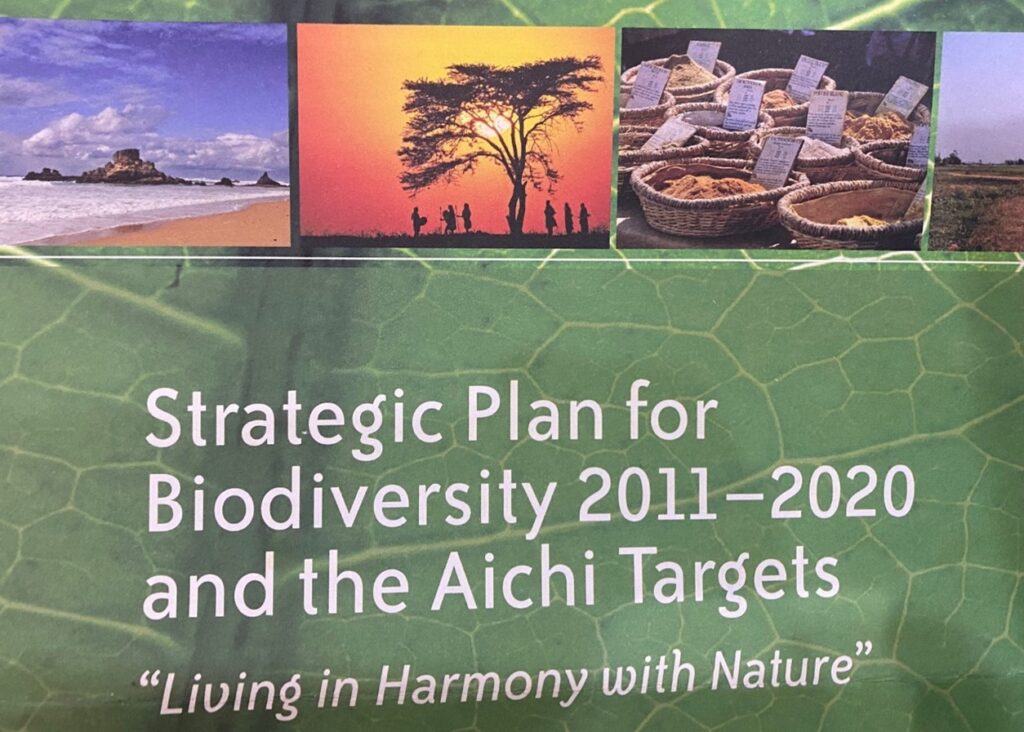
The UN Convention on Biodiversity: National Plans and Actions. Nations agreed on urgent global targets The targets for 2011-202) was referred to Aichi Targets as set in Aichi Japan. The Kunming Montreal Protocol (set in Montreal during COVID time) succeeds the Aichi phase until 2030 (up to 2045). Each country is expected to implement national plans referred to as National Biodiversity Strategy Action Plans (NBSAPs). NBSAP provide program guidance to key agencies as they develop national programs and projects that relate to managing our heritage natural resources.
Agriculturist thrown into the “tree hugging world”? I was a late comer in the biodiversity world by 2012. To complicate things, I was the agriculturist thrown into the “tree hugging world “of wildlife scientists, botanists, taxonomists, CSOs etc.
What could I (an agri person) contribute to this strange new world? On hindsight, I think I had three “lenses” to guide me. First, I was exposed to the world of multispecies: – farming systems in agriculture and multistory agroforestry. I was also a continuing student of alternative agriculture, learning from such maverick scientists like Romy Raros, Percy Sajise and Dennis Garrity and maverick foresters like Pat Dugan, Ernie Guiang, Alix Yao. Second, I am a follower of the science and art of public administration and was facilitating participatory local governance in NRM particularly among Local governments. Third I, had skills in planning and constructive critique! I also learned that the key issue of biodiversity is not about the “science and technology aspects but more about human behavior”.
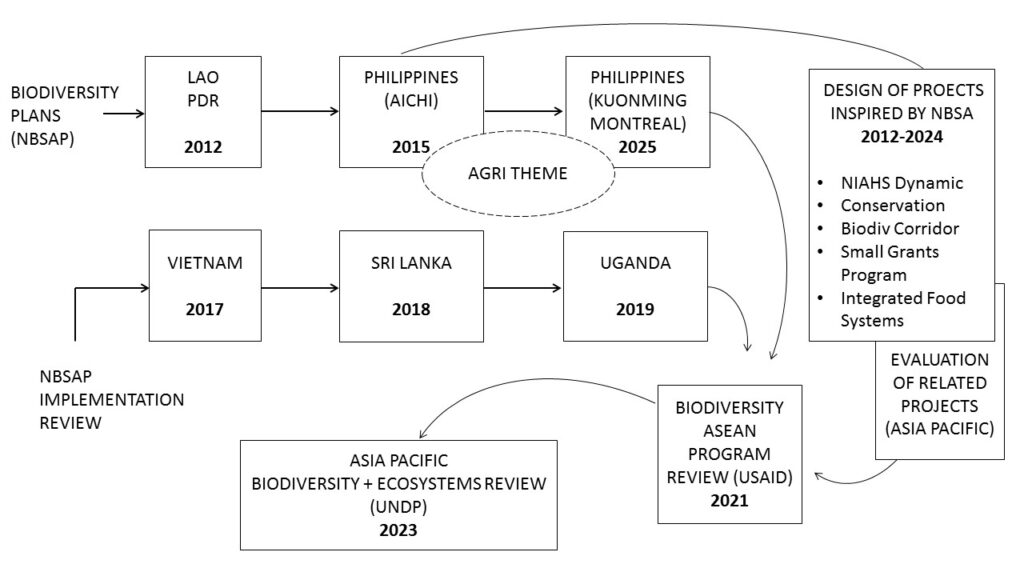
My biodiversity journey (above) – This journey revolved around helping country teams prepare plans and targets and implement what they promised for their biodiversity issues (Above diagram is a snap shot of what I did, where (i.e., helping in strategy formulation; translating broad plans into projects and reviewing progress)…
Unconventional pathways – On hindsight, I realized that the new exciting work in the biodiversity world is probably not much anymore about Protected Areas (notwithstanding its fundamental importance). Rather the situation demanded that we give more close attention to three issues that keep cropping up; but couldn’t be addressed through the earlier conservative thinking. Below are some key issues and examples:
We were part of the recent regional and global reviews of biodiversity and ecosystems
Unconventional pathways – On hindsight, I realized that the new exciting work in the biodiversity world is probably not much anymore about Protected Areas (notwithstanding its fundamental importance). Rather the situation demands that we give more close attention to three issues that keep cropping up; but couldn’t be addressed solely through the earlier conventional thinking. Below are some key issues and examples:
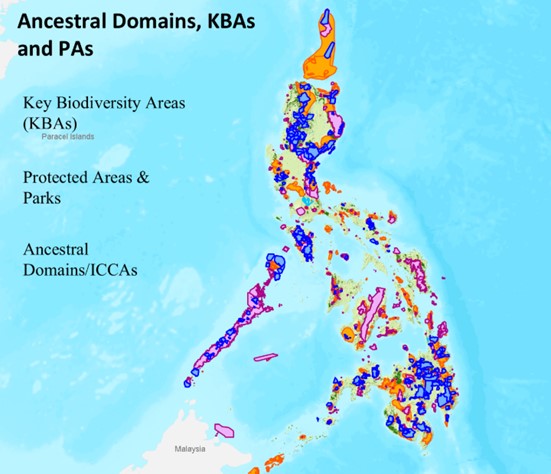
Case 1: Large Portions of Key Biodiversity Areas (KBAs) are not covered by Protected Areas. But on the ground, many indigenous upland communities maintain customary rules and practices that also conserve biodiversity. The CBD convention recently gave this more emphasis (as Other Effective Conservation Mechanisms). This was also partly a result of studies by the IPBES (Intergovernmental Science Policy Platform on Biodiversity and Ecosystems Services) Such is the case in the Philippines (reference: map from PAFID/Dave de Vera showing the overlap of KBAS. PAs and Ancestral Domains)
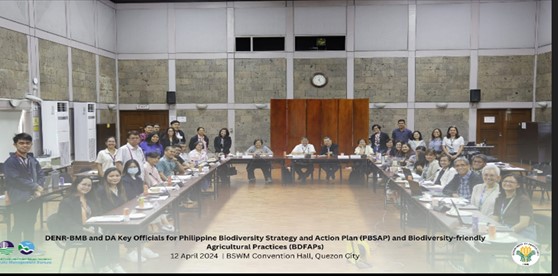
Case 2: Tackling Agriculture as key driver biodiversity loss. Mainstreaming biodiversity in the agriculture sector. The Philippine Department of Environment and Natural Resources; and Department of Agriculture has agreed on a landmark joint policy to work with farmer stakeholders embedded inn KBAs and headwaters of watersheds towards Biodiversity Friendly Agriculture (BDFAP). Sectoral silos are still very strong but “baby steps” undertaken show some promise. Revisiting Agricultural subsidies particularly in upland agricultural areas are a key issue here.
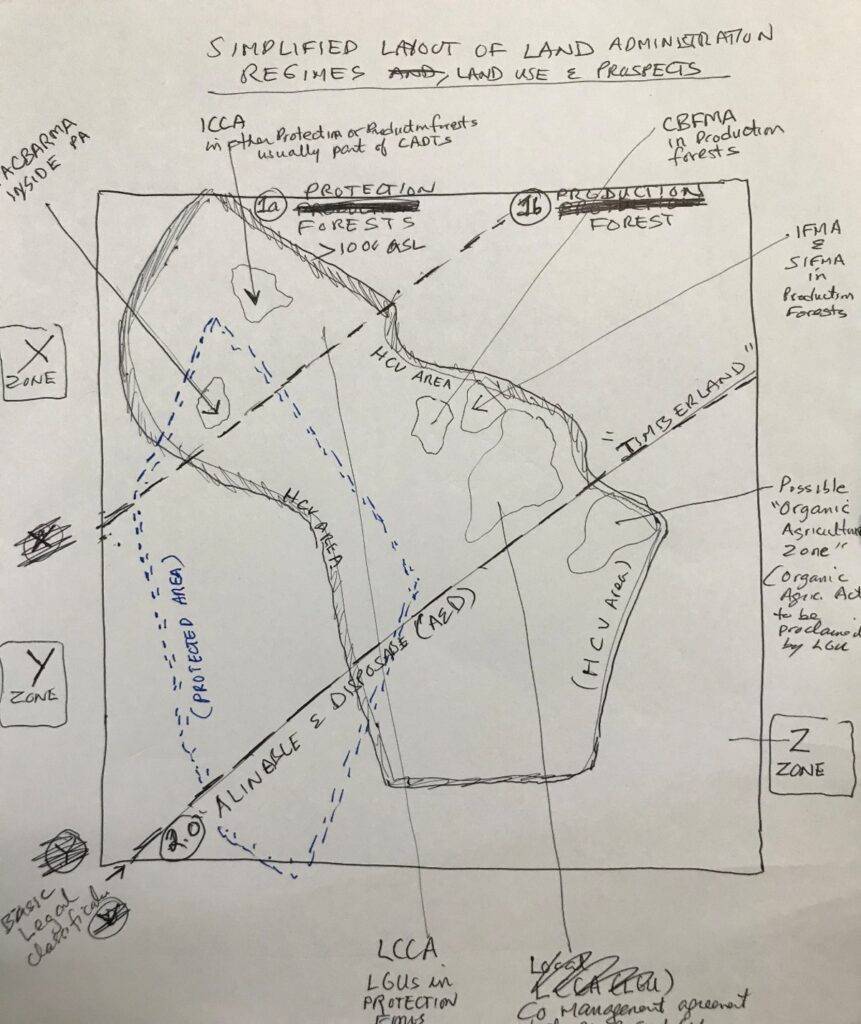
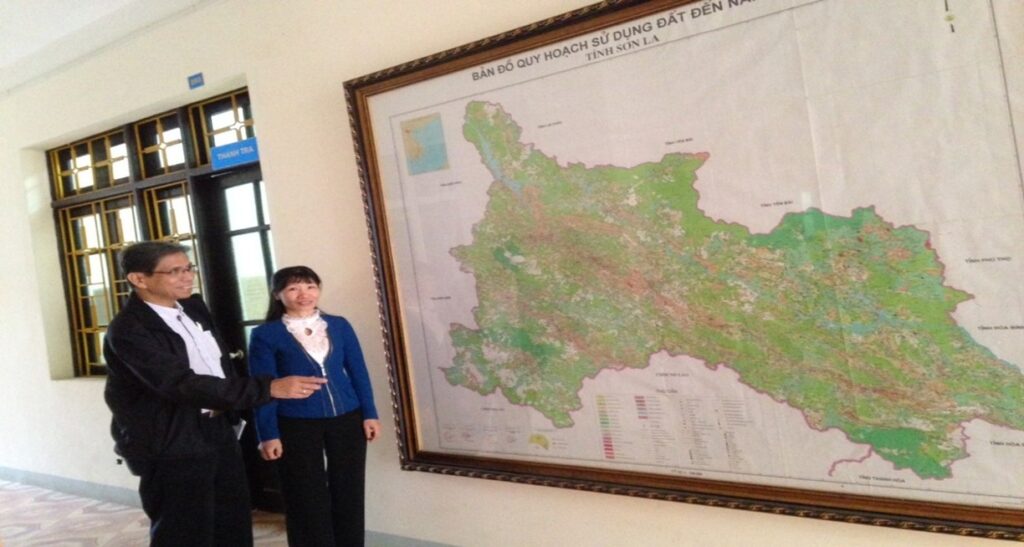
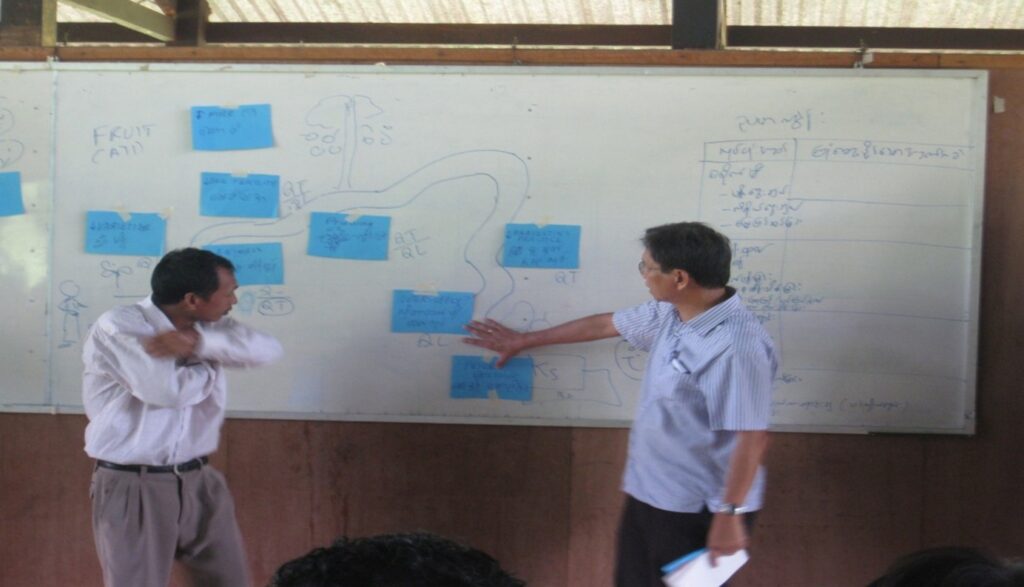
Case 3: Gridlock on land management in the uplands. A thumb sketch (by me) attempting to illustrate the well-known gridlock of roles on who will protect what biodiversity assets (Philippines) –This was used during a brainstorming on a biodiversity corridor project.Case 4:Reaching out to the “unconverted” (LGUs) though the water issue – Reaching out to sectors other than the Min of Environment, an important example would be Local governments such as in the case of Lang Son Provincial Government in Vietnam above (and provinces in Indonesia and the Philippines). In our experience the more compelling entry point to the mind and heart of many LGUs is not so much protecting wildlife. Rather is protecting water systems (too much or too little water) Conserving forests that host biodiversity is one of the key means.
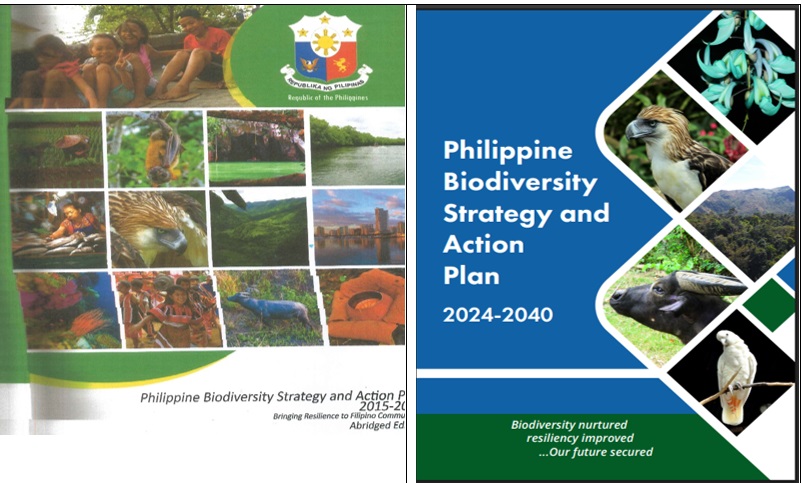
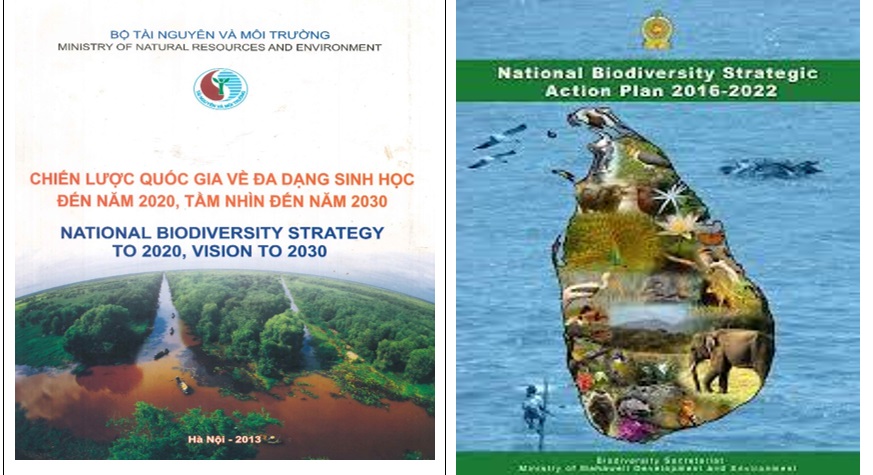
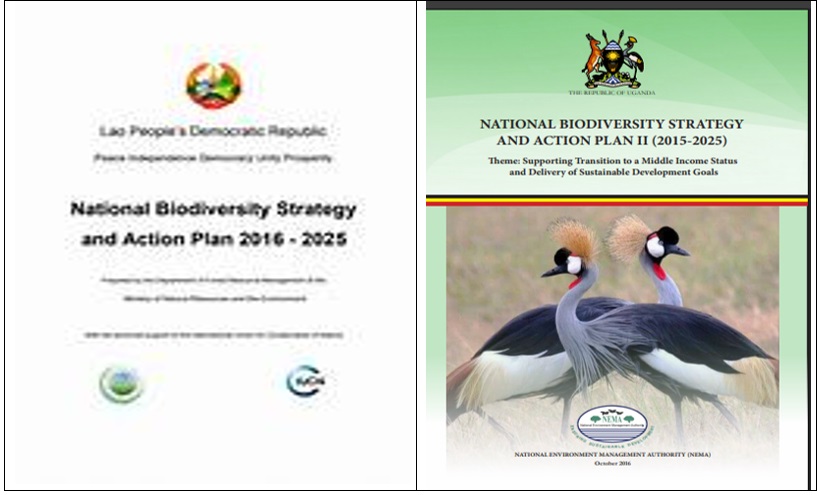
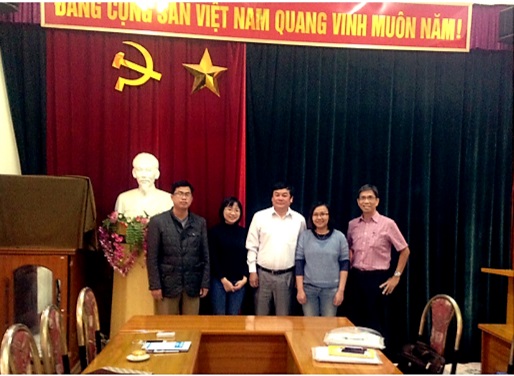
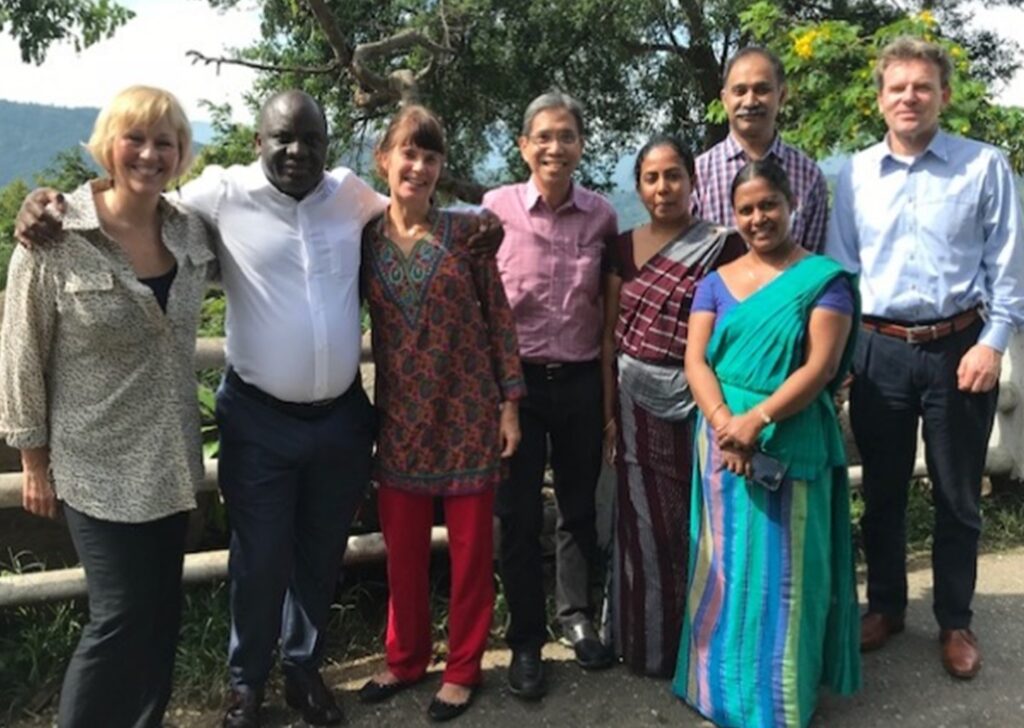
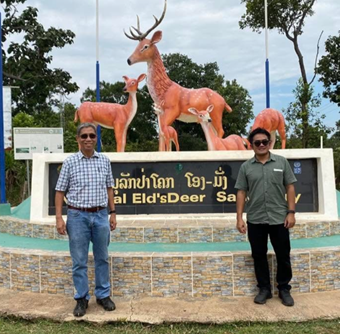
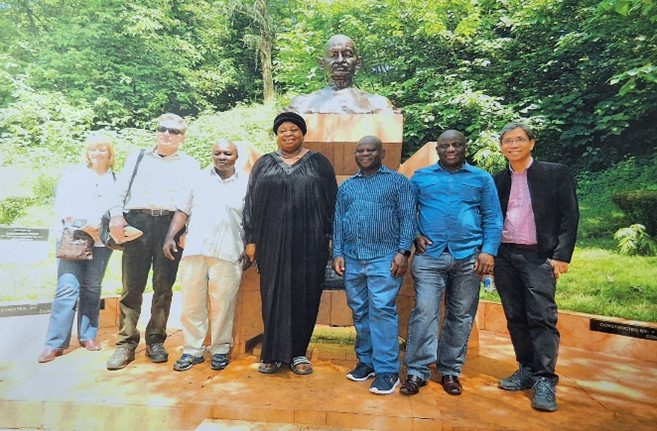
Being part of NBSAP implementation review teams in:
Vietnam
Sri Lanka
Lao PDR
Uganda
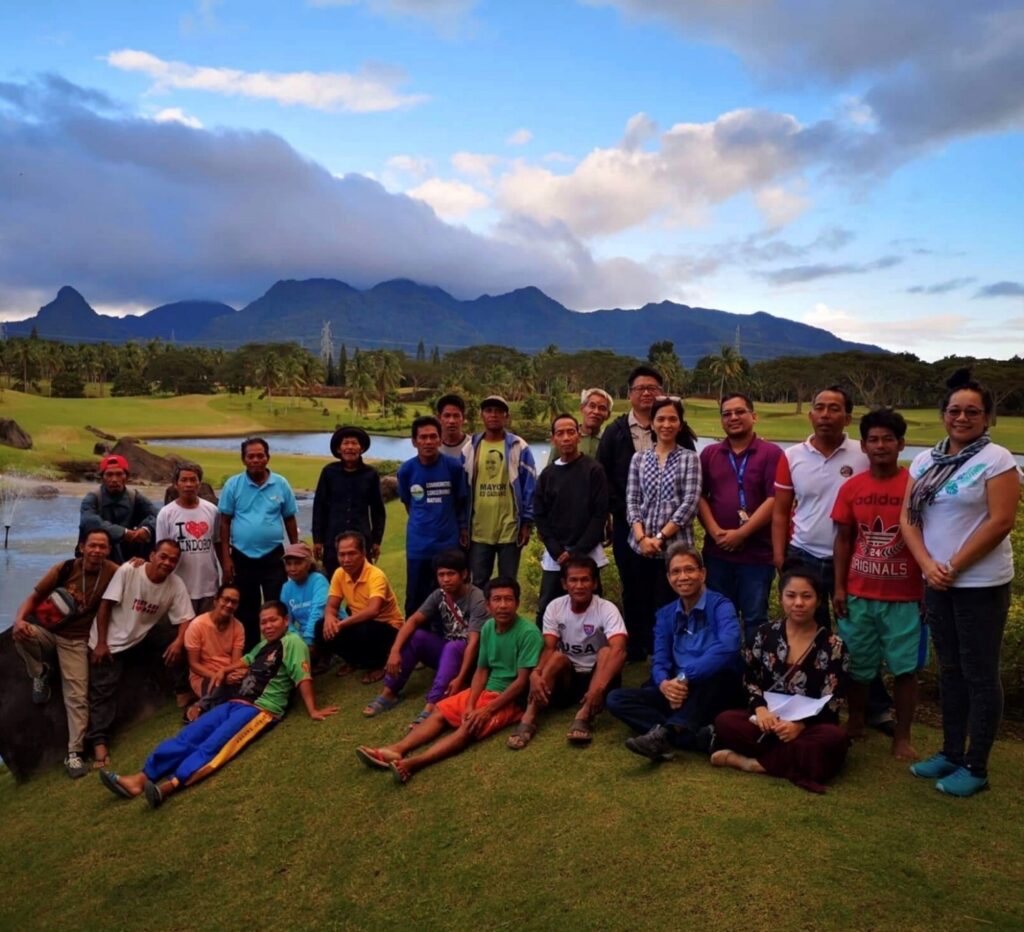
Mentors, Peers and Younger Colleagues – Indigeous leaders of Mindoro, Bukidnon, Caraga, Upland farmers in Kalahan, Cebu, Bukidnon. Cultural communities among the Hmong and Karens, Romy Raros, Percy Sajise, Delfin Ganapin, Delbert Rice, Dave De Vera, Lagtum, Grace Pascua, Aldrin Mallari, Raoul Cola, Anabelle Plantilla, Gerthie Anda, Femy Pinto, Ruth C, Crissy G, Mars Amaro, SJ San Juan, Tess, B, Nestor N, Marlon Martin, Ernie G, Weng Soriaga, Andres Ignacio, Nelson D, Rudy, Angel Alcala, Neneng Andres, Nancy Corpuz Angela Weng B, Folay E, Jason M, Grace T, Thess E, Charo Ampil, Sammy C, Joy A.,Ron Odsay, Charito C .Joel B, Choy C , Ver Z, Eva D, Ed A., Flora, Yogesh…Suzette M, UNDP EU Tropical Forests Team, Naw Ja, Khun Wailar, Meas Pyseth, Tum Samram, Patrick Durst, Mary Jane R, Rabikumar, and Nicolas Van der Werf, among the so many who guided us.
Catalytic projects that helped model the way
FAO Globally Important Agricultural Heritage Systems (GIAHS) – NIAHS for Philippines
IUCN Lao PDR NBSAP updating
UNDP – Vietnam NBSAP review
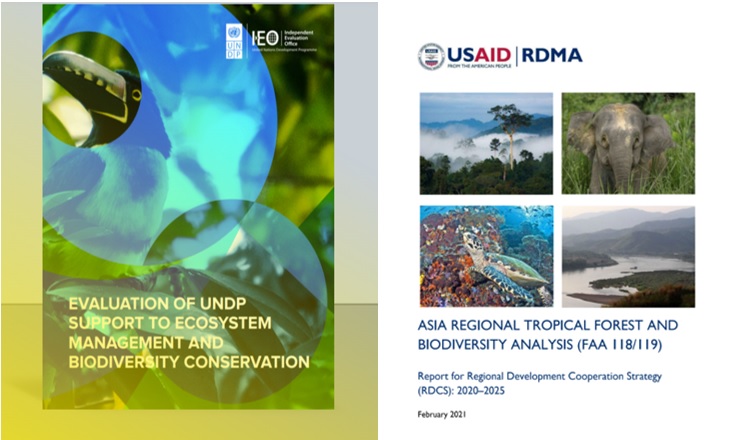
UN CBD Peer review programs for Sri Lanka Uganda
USAID Asia Biodiversity Programs Review
UNDP HQ –Ecosystems Management and Biodiversity Global Review- Asia Pacific
FAO GOP Integrated Food Systems program
Biodiversity as personal. Being involved in biodiversity advocacy somehow affects you personally. It reinforces an ongoing personal lifestyle change in three fronts:
Becoming more tolerant of people diversity.
Developing a biodiverse forest garden at home
Practicing diet diversity especially at senior time!
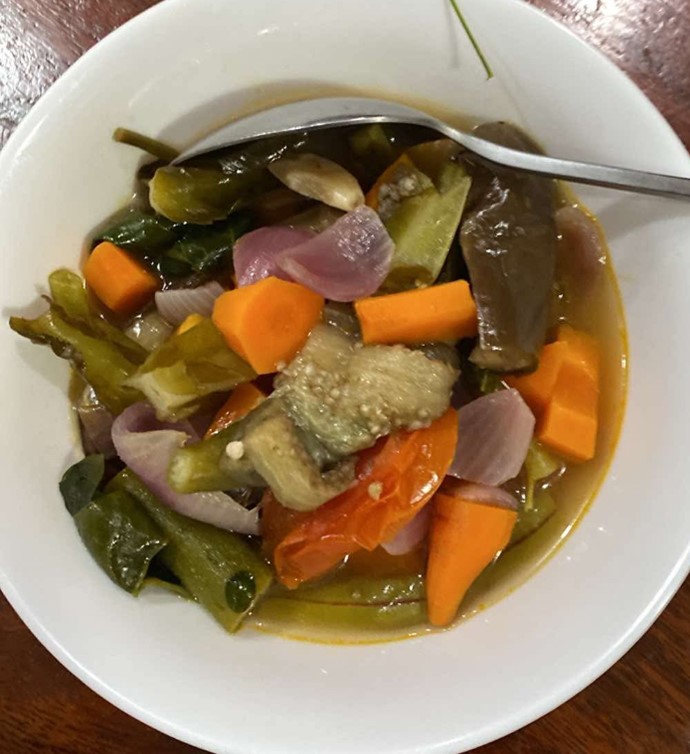
Called “Law-Oy” in Cebu, this vegetable stew of 10 vegetables and spices is an all-time favorite (note – run out Moringa and squash during the cooking and carrots was used on behalf of squash)
Leave a reply