
In school, there was no talk of biodiversity. For a long time, I also thought biodiversity was only for the hopeless tree huggers and wild life enthusiasts. Eventually I realized how foolish I was. Farms today are either the cause or victim of biodiversity loss, environmental degradation as well as climate change. Unlike in our childhood days, people of all classes today (including my family), have lesser access to diverse, safe, nutritious and environmentally friendly food.
In the early part of this century the R and D community realized that our modernizing agricultural production systems was rapidly losing that aspect called agrobiodiversity. Agrobiodiversity refers to the wide variety of genetic codes (in plant varieties), agricultural species and farming systems in our agricultural sector. The issue is about rapid loss of traditional varieties of crops and livestock, and diverse cropping/farming systems.
Fast forward to post Covid days, the topic has become more urgent than ever. Is it part of the solution to the crisis of Philippine agriculture and nutrition today. Closer to home, it’s an important topic for the health-conscious senior!
Ideas that inspired us
- Hundreds of traditional varieties of crops exist that store genetic codes for crops that can withstand climate change.
- For thousands of years, farmers worldwide have protected these genetic codes by planting traditional varieties as well as facilitating natural selection.
- In our uncertain climate driven times, we need these now more than ever.
- The key challenge is how to take advantage of both traditional and modern agriculture.
- Some remarkable communities modelled the way for dynamic conservation.
Remarkable Communities
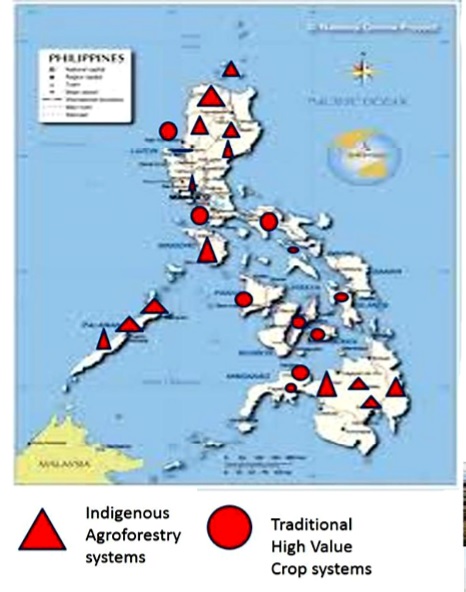
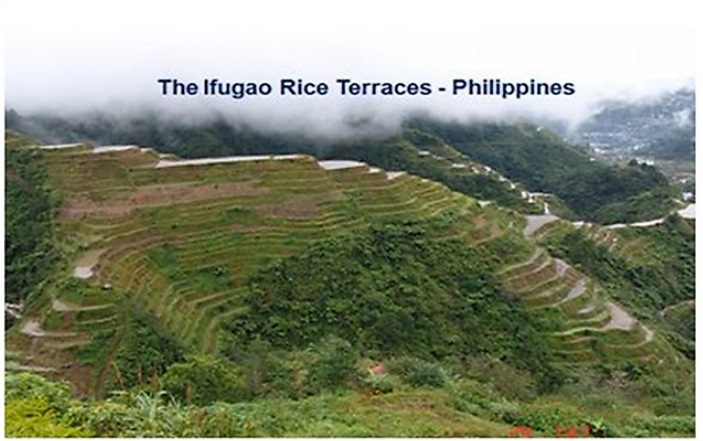
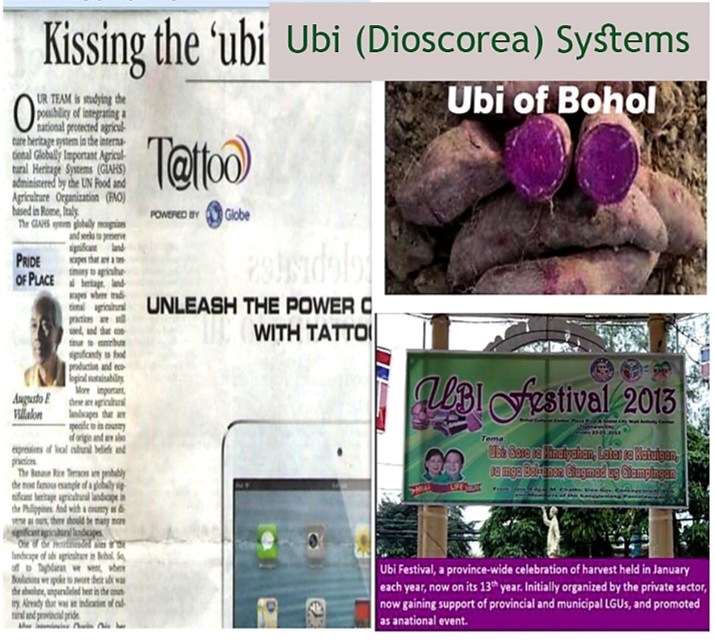
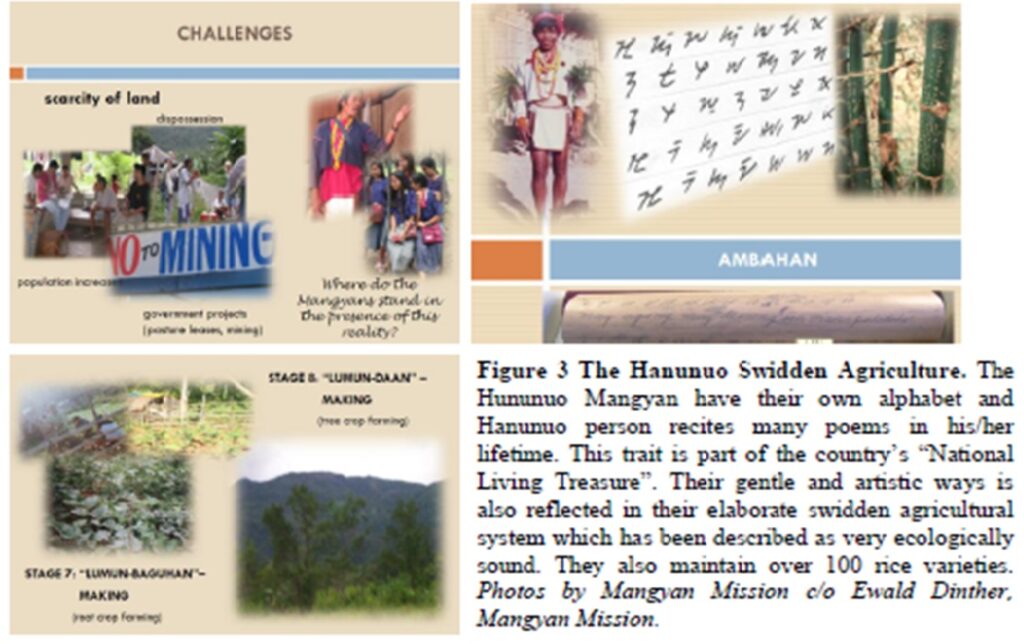
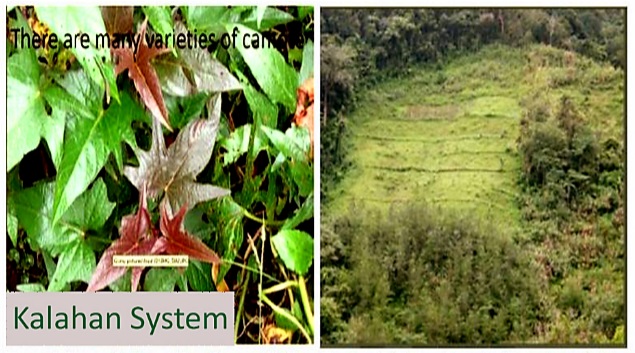
- Cordillera rice terrace farmers, Bohol ube farmers, and seed keepers of the Hanunuo Mindoro and Kalahan of Nueva Viscaya.
Catalytic projects that helped model the way
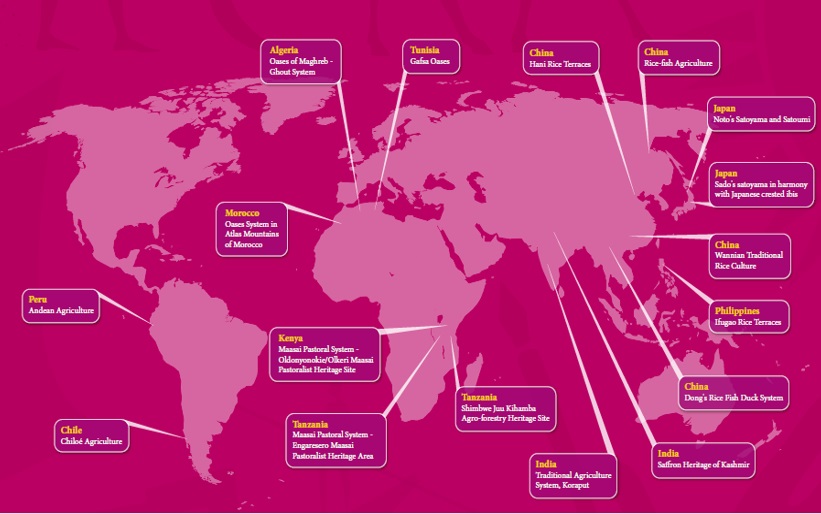
- The FAO GIAHS (Globally Important Agricultural Heritage Systems) initiative sought to recognize important globally important agricultural heritage systems.
- Philippine FAO- DA BAR Dynamic Conservation of Traditional Agriculture systems Project developed the model for dynamic conservation of traditional systems with multiple environment values.
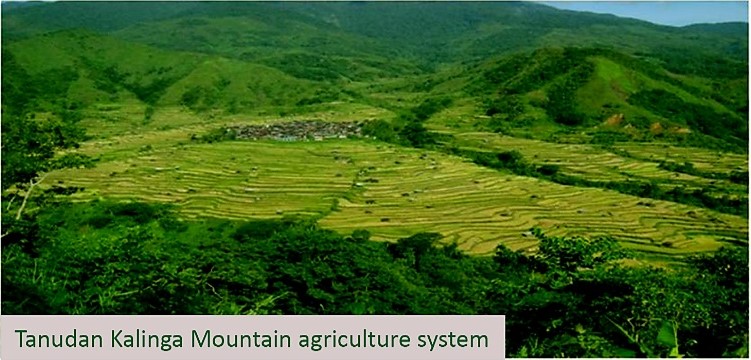
- The IFAD – DA Cordillera Highlands Agricultural Resources Management Project (CHARMP) was the Department of agriculture’ s pilot project to find a modus vivendi between traditional agriculture systems of Cordillera and the modern agriculture.
Key Features

Mentors and Co-travelers
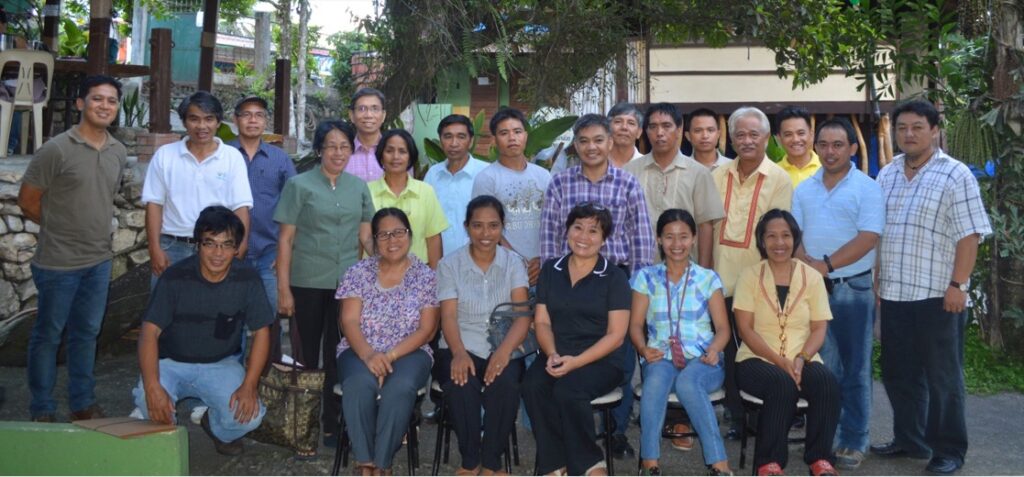
I cannot forget Pastor Rice was part of the pioneers in the 70s /80s in upland agriculture. Speaking in fluent kalahan language he helped guide the Kalahan community gain tenure and launch enterprises that anchored on forest and agrobiodiversity
Marlon Martin and his team of the Save Ifugao Terraces movement or SITMO are showing the way how dynamic conservation can be achieved as modelled in Kiangnan, Ifugao.
DA Dir Ron Odsey was the former DA Regional Director who presided the CHARM project. He had many progressive ideas on how the governments agricultural program could be reformed to be truly cordilleran in approach!
Personal Insights
- While I like Tinola (native chicken), my grandchild and her friends would prefer fast food chicken. What does it mean for her nutrition, health down the road? What are its effects on, farmers income and the environment?
- At the end of the day, it is about the kind of food in your dinner table. Does it have important diversity for taste and nutrition? is it safe? Did its production give farmers better income? And did the production system affect the environment?
- As modern Agriculture showed its weakness (low resiliency, high environmental footprint) traditional farming systems are being given a second look. Today, in the era of climate change most traditional systems particularly in upland areas, are being studied for their high agrobiodiversity and cultural underpinnings and features that enhance resiliency.
- But there is general fear in the DA about promoting them as “backward systems”, going against the goal of agricultural modernization. In reality, NIAHS is not about fossilizing the past but about investing in the future! (Especially; under climate change).
- The true and multiple value of traditional farming systems must be better recognized! This is aside from their role as sanctuaries of genetic codes for breeding. The agrobiodiversity rich upland farming systems also protect wildlife and watersheds too. They are part of the integrated food systems of upland communities / indigenous people who in turn can help protect our forests.
- Establishing a network of mostly upland NIAHS sites is crucial and support for their dynamic conservation is vital. They can be part of the overall part of the agricultural landscape, co-existing with the modernization of the lowland agriculture system.
Leave a reply